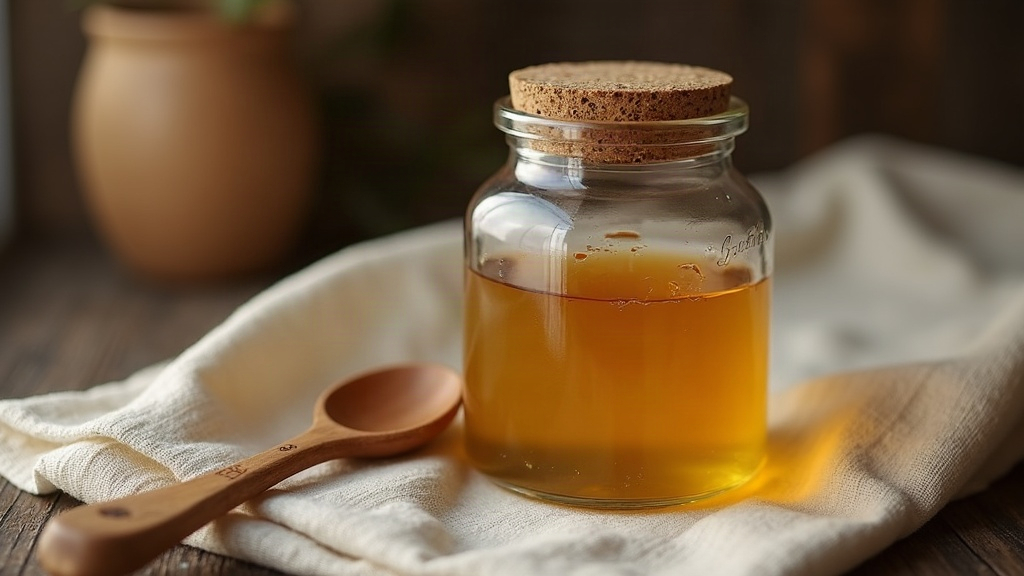
Long before glucose monitors existed, home cooks paired Biblical drink (oil)/ Honey blend with everyday meals as part of kitchen tradition. This page looks at that history and at simple, everyday habits around meal order — it is educational only and never a replacement for the guidance of the doctor who follows your care.
Most days don’t go the way you planned them at breakfast. Here are four moments that quietly repeat themselves for people who pay attention to how meals make them feel.
You expected clarity by now, but every meal still opens the same mental tab: is this okay, is this too much, is this the right combination.
Lunch felt reasonable. An hour later the room goes fuzzy, focus slips, and the afternoon feels like it's being pushed uphill.
Deciding what goes on the plate, in what order, and how much — three times a day, every day — adds up to a quiet kind of fatigue nobody warns you about.
You expected to wake up rested. Instead mornings start slow and foggy, long before the day has asked anything of you yet.
A lot of everyday food advice gets repeated so often it starts to sound like fact. Here’s a closer, calmer look at three of the most common ones.
All carbohydrates behave the same way in a meal.
The type of carbohydrate, what it’s paired with, and the order it’s eaten in can all change how a meal feels afterward — it’s rarely just one factor.
Fruit should be avoided altogether if you’re watching your eating habits.
Whole fruit is not the same as fruit juice or added sugar, and how it fits into a meal matters more than treating it as off-limits. Any specific dietary limits should come from your own doctor.
There is a special category of ‘diabetic food’ that solves the guesswork.
Most labeled ‘diabetic’ products are simply reformulated snacks — the real difference tends to come from everyday habits around whole meals, not a specific product aisle.
These are everyday habits people build around how they eat, not instructions to replace anything your doctor has already recommended. If you’re considering changing your routine, talk it through with the professional who follows your care first.
Some people find it helpful to begin a meal with vegetables or protein before moving to starchier foods, simply as a matter of habit and pacing.
Eating at an unhurried pace — putting the fork down between bites, actually tasting the food — is a habit, not a rule, but many people notice it changes how a meal sits with them.
A short, gentle walk after eating is a habit some people build into their day. It’s a lifestyle choice to discuss with your doctor, not a treatment.
Olive oil and honey have shared kitchen tables for thousands of years across the Mediterranean and Middle East. Long before refrigeration or packaged food, cooks drizzled this combination over warm bread, folded it into grain dishes, or served it alongside simple meals as a way to add richness and sweetness at once. References to oil and honey together appear in ancient texts describing the land’s abundance, and the pairing carried into everyday cooking — passed from one kitchen to the next as a matter of taste and tradition, not as a remedy.
This is a story about culture and cuisine — how a simple pairing found its way into everyday meals across generations — not a claim about what it does inside the body.
If you're waking up tired more often than not, it's worth mentioning at your next appointment rather than guessing at the cause on your own.
Noticeable ups and downs in energy across the day are a good topic to raise with the professional who already knows your health history.
If thirst seems out of the ordinary for you, that's a conversation for your doctor, not something to interpret on your own.
Any new physical sensation that concerns you deserves a direct conversation with your doctor rather than an online search.
If you're wondering whether your current habits or treatment plan still fit your life, that question belongs with your doctor — never a decision to make alone.
If stress is reshaping your appetite or eating patterns, it's worth flagging to your doctor as part of your overall care.
These are individual accounts shared for illustrative purposes only. Names are fictional, experiences vary widely from person to person, and none of this represents a guaranteed outcome or medical result.
Explore the complete look at meal order habits and the tradition behind Biblical drink (oil)/ Honey blend. This is educational content only — always keep up your regular visits with your doctor and never change your diet, routine, or any prescribed treatment without talking to them first.
Advertising Disclosure: This page contains sponsored content and affiliate links. We may receive compensation if you click on or make purchases through links on this page. This compensation may impact how and where products appear on this site.
Content Disclaimer: This content is for educational and informational purposes only. It has not been evaluated by the FDA and is not intended to diagnose, treat, cure, or prevent any disease. It is not a substitute for professional medical advice, diagnosis, or treatment. Always consult a qualified healthcare professional before changing your diet, routine, or any prescribed treatment.
Results Disclaimer: Individual results and experiences vary. Testimonials and personal accounts shared on this page are not a guarantee of any specific outcome and should not be interpreted as medical claims or promises.
© 2026 · All Rights Reserved